Packing for Phoenix starts with your travel dates.
A suitcase that works for January can be wrong for July. Phoenix winter afternoons can be mild while mornings and evenings are considerably cooler. By summer, daytime temperatures regularly reach levels that require changes not only to what you wear, but also to when you plan outdoor activities.
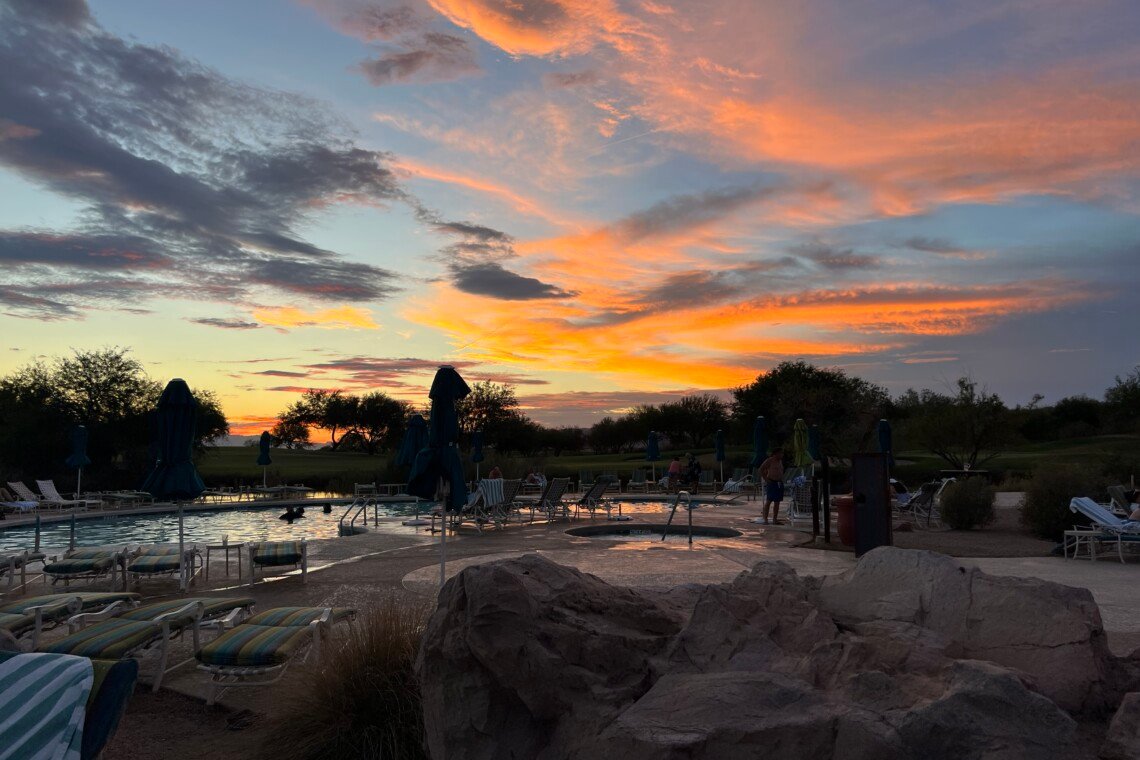
Your itinerary matters just as much. Someone spending a weekend around a resort pool has different needs from a traveler hiking desert trails, attending Spring Training or going to an event at State Farm Stadium.
Instead of packing for a generic Arizona vacation, use three questions: When are you visiting? How much time will you spend outside? What activities are actually on your itinerary?
If you are still deciding where to base your trip, our Phoenix vs. Scottsdale: Where Should You Stay on Your Arizona Trip? compares the two areas by trip type.
Phoenix Packing List at a Glance
This is a starting point rather than a shopping list.
| Item |
When it is useful |
| Lightweight, breathable clothing |
Warm and hot weather |
| Light jacket, sweater or fleece |
Winter and cooler spring and fall periods |
| Comfortable walking shoes |
City sightseeing and everyday travel |
| Sunglasses |
Outdoor daytime activities |
| Broad-brimmed hat |
Extended sun exposure |
| Sunscreen |
Outdoor activities throughout the year |
| Swimsuit |
Pool or resort stays |
| Trail shoes |
Desert hiking |
| UPF sun shirt |
Extended outdoor exposure |
| Hydration pack |
Longer hikes where appropriate |
| Lightweight rain shell |
Monsoon-season outdoor plans |
| Dressier casual outfit |
Restaurants, events or nights out if needed |
Before packing specialized equipment, check what your hotel, resort or furnished rental already supplies.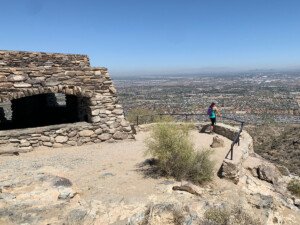
Phoenix Weather by Season
Phoenix weather varies considerably over the year.
According to Visit Phoenix, average daytime highs range from about 67°F in January to 106°F in July. Winter nights average in the 40s, while July and August average lows remain above 80°F.
| Month |
Average high |
Average low |
| January |
67°F |
44°F |
| February |
71°F |
48°F |
| March |
76°F |
52°F |
| April |
85°F |
58°F |
| May |
94°F |
67°F |
| June |
104°F |
76°F |
| July |
106°F |
82°F |
| August |
104°F |
81°F |
| September |
99°F |
75°F |
| October |
88°F |
63°F |
| November |
75°F |
50°F |
| December |
67°F |
44°F |
These are averages, not forecasts. Check the actual forecast shortly before departure.
The table shows why “pack for warm weather” is not enough advice. A January morning and a July afternoon require completely different planning.
What to Pack for Phoenix in Winter
December through February is generally a layering season.
Average daytime highs are in the upper 60s to low 70s, while average nighttime lows are in the 40s. You may be comfortable in a T-shirt during part of the afternoon and want a jacket after sunset.
A Practical Phoenix Winter Packing List
Consider bringing:
- short-sleeve shirts;
- long-sleeve shirts;
- jeans or lightweight pants;
- a sweater, fleece or light jacket;
- comfortable walking shoes;
- sunglasses;
- sunscreen;
- a sun hat for prolonged outdoor activities;
- hiking clothing if trails are on the itinerary.
You generally do not need to build a Phoenix winter suitcase around bulky cold-weather clothing.
There is one major exception. If your trip extends beyond Phoenix into Arizona’s higher elevations, research those destinations separately. Do not use Phoenix temperatures to pack for an entire Arizona road trip.
What to Pack for Phoenix in Spring
Spring temperatures rise quickly.
Average daytime temperatures move from the mid-70s in March to the mid-80s in April and mid-90s in May. That means a March visitor and a late-May visitor need different wardrobes.
March and Early Spring
March is a major visitor period because it overlaps with Cactus League baseball.
For an early-spring trip, consider breathable shirts, shorts or lightweight pants, walking shoes, sun protection and a light layer for cooler mornings and evenings.
If you will be sitting outside for a baseball game, remember that several hours of sun exposure is different from walking between an air-conditioned car and a restaurant.
A lightweight UPF sun shirt can be useful for visitors who expect to spend long periods outdoors and prefer additional clothing coverage from the sun.
If baseball is the reason for your trip, see our Where to Stay for Arizona Spring Training: Best Cities, Stadiums & Rentals before choosing accommodation.
April and May
By April and especially May, shift the suitcase toward warmer-weather clothing.
Lightweight shirts, shorts, breathable pants and sun protection become more useful, while the need for evening layers generally declines.
Do not assume May will feel like mild spring weather simply because summer has not officially started.
What to Pack for Phoenix in Summer
Summer requires a different approach.
Average daytime highs are above 100°F in June, July and August. Average nighttime temperatures also remain high, so visitors should not assume evenings will provide cool conditions.
The City of Phoenix advises people outdoors during hot weather to drink water regularly, take frequent breaks, use sun protection and wear light-colored clothing. During dangerous heat conditions, changing your plans can be more important than changing what you wear.
Summer Clothing
Consider:
- loose, breathable shirts;
- lightweight shorts or pants;
- breathable socks;
- comfortable warm-weather shoes;
- wide-brimmed hat;
- sunglasses;
- sunscreen;
- swimsuit and cover-up if you will use a pool.
A lightweight UPF sun shirt can be useful if you expect significant outdoor exposure. It provides additional coverage without requiring a heavy layer.
A wide-brimmed packable sun hat is another practical option for sightseeing, outdoor events and pool days where shade may be limited.
Neither item makes extreme heat safe. They simply help manage sun exposure.
Packing Cannot Make a Midday Summer Hike Safe
This deserves its own section because it is an important limitation of any Phoenix packing guide.
The City of Phoenix operates a Trail Heat Safety Program. During National Weather Service Extreme Heat Warnings, designated trails at Camelback Mountain, Piestewa Peak and South Mountain are restricted during the hottest part of the day.
If summer hiking is part of your trip, check the City of Phoenix Trail Heat Safety Program shortly before heading out.
Do not approach Phoenix heat as an equipment problem that can be solved by buying better clothing or carrying more water.
Check current conditions, choose a trail appropriate to your experience and change plans when conditions warrant it.
What to Pack for Phoenix During Monsoon Season
Summer visitors also need to account for Arizona’s monsoon.
Thunderstorms can bring blowing dust, damaging winds, flash flooding and lightning. Conditions can change quickly, so weather awareness is more important than adding large amounts of rain gear to your suitcase.
What Belongs in Your Bag?
For an outdoor-heavy summer trip, consider a lightweight packable rain shell.
It takes little luggage space and can be useful when rain develops during ordinary sightseeing.
Quick-drying clothing can also be more practical than heavy fabrics.
But rain gear is secondary to weather awareness. A rain jacket does not make a thunderstorm, flash flood or dust storm safe.
For current storm, dust and flash-flood guidance, consult the National Weather Service Phoenix Monsoon Safety Guide.
Driving During a Dust Storm
If you encounter a major dust storm while driving, avoid driving into it when possible.
If dense dust overtakes you and you can safely leave the roadway, follow current official guidance for getting completely off the traveled portion of the road and making your vehicle less likely to be mistaken for moving traffic.
Never drive into a flooded roadway. Water can hide road damage and may be deeper or faster-moving than it appears.
What to Pack for Phoenix in Fall
Fall does not begin with cool weather in Phoenix.
September remains hot, October is typically warm, and November brings noticeably cooler mornings and evenings.
September
Pack similarly to summer, including lightweight clothing and substantial sun protection.
Weather awareness also remains important because thunderstorms and dust can still affect late-summer and early-fall travel.
October
October generally calls for warm-weather clothing with the option of a light layer depending on your plans and the forecast.
November
By November, layers become more useful again. Early starts and evenings may call for a sweater or light jacket even when afternoons are comfortable.
What to Wear for Hiking in Phoenix
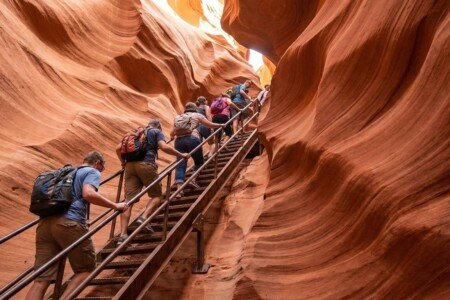
If you intend to hike, add equipment based on the trail rather than simply adding “hiking clothes” to a generic packing list.
Phoenix has an extensive network of desert and mountain trails, ranging from easier walks to strenuous routes over steep and rocky terrain.
Footwear Matters
For rocky desert trails, trail-running shoes or hiking shoes with suitable traction can be much more appropriate than casual sneakers.
Do not automatically buy heavy hiking boots. The appropriate footwear depends on the trail, weather, distance and your experience.
When a Hydration Pack Makes Sense
For visitors planning longer desert hikes, a proper hiking hydration pack may be more practical than carrying water by hand.
This is not something every Phoenix traveler needs. Someone spending three days at museums, restaurants and a hotel pool has little reason to bring one. Someone planning several desert hikes may find it materially useful.
A Small Trail First-Aid Kit
A compact hiking first-aid kit is also reasonable for travelers undertaking actual trail activities.
Choose one appropriate to the length and nature of your hikes rather than carrying a large emergency kit intended for multi-day wilderness trips.
A first-aid kit does not replace appropriate preparation, weather checks or choosing a trail suited to your ability.
What to Pack for a Phoenix Pool or Resort Trip
Pool-focused trips require far less specialized equipment.
Consider:
- swimsuit;
- cover-up;
- sandals;
- hat;
- sunglasses;
- sunscreen;
- casual clothes for meals;
- light layer during cooler seasons.
A long-sleeve UPF swim shirt or rash guard can be particularly useful for someone expecting to spend hours around a pool, especially children or adults who prefer additional sun coverage.
If your trip is still in the accommodation-planning stage, our Phoenix vs. Scottsdale guide explains when a Scottsdale resort, Downtown Phoenix stay or West Valley rental may better fit the itinerary.
What to Pack for Arizona Spring Training
Spring Training creates a specific packing problem because visitors may spend several hours sitting outdoors.
Start with:
- sun-protective clothing;
- hat;
- sunglasses;
- sunscreen;
- comfortable shoes;
- a light layer for cooler games early in the season.
Then check the individual ballpark’s current bag and entry rules.
Do not assume something permitted at one Cactus League facility will automatically be accepted at another.
If you are attending multiple teams and ballparks, our Arizona Spring Training accommodation guide can help you choose a base around your game schedule.
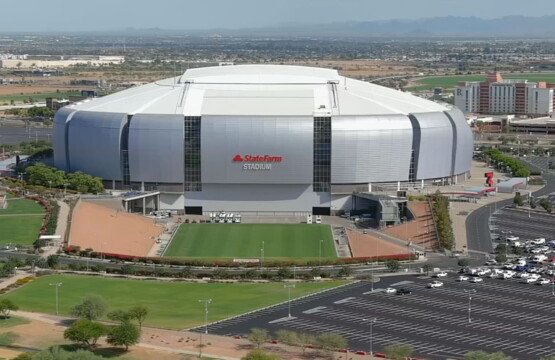
What to Pack for State Farm Stadium
Do not pack for State Farm Stadium as though it were an ordinary sightseeing stop.
Venue entry rules determine what you can actually carry inside. For an Arizona Cardinals game, concert or another stadium event, check the current event information before leaving your accommodation.
A stadium-compliant clear bag may be useful if the event permits one, but verify the current dimensions and policy before buying or bringing a bag specifically for stadium entry.
For accommodation and event-area planning, see our Where to Stay Near State Farm Stadium: Glendale & West Phoenix Guide.
What to Pack for a Longer Phoenix Stay
Packing for six weeks is not the same as packing for six days.
The solution is not necessarily to bring six times as much.
If you are booking furnished accommodation, check what the property already includes. Access to laundry can substantially reduce the amount of clothing you need.
For longer stays, prioritize:
- enough work clothing for your normal schedule;
- comfortable everyday clothes;
- activity-specific footwear;
- personal-care items that are difficult to replace;
- prescription medication;
- necessary work equipment;
- seasonal clothing appropriate to the entire stay.
Our Arizona Extended-Stay Guide: Furnished Housing for 30 Days or More explains what to check in temporary housing before booking.
Working visitors can also read Furnished Rentals in Phoenix for Travel Nurses, Contractors & Extended Stays.
What Not to Overpack for Phoenix
A useful packing guide should also tell you what you probably do not need.
Bulky Cold-Weather Clothing for a Phoenix-Only Trip
Phoenix winter mornings can be cool, but a heavy winter wardrobe is generally unnecessary for a Phoenix-only itinerary.
This changes if you are driving to colder, higher-elevation parts of Arizona.
Hiking Equipment When You Are Not Hiking
Do not pack boots, poles, hydration equipment and technical clothing simply because Phoenix has mountains.
Pack them because you have an actual hiking plan.
Too Many Shoes
For many trips, a comfortable walking shoe, any genuinely necessary activity-specific footwear and a dressier option if your itinerary requires one will be enough.
An Entire New Desert Wardrobe
Phoenix does not require special vacation clothing for ordinary city activities.
Use clothes you already own when they suit the weather and activities.
Build Your Packing List Around Your Itinerary
Before closing the suitcase, look at each day of the trip.
| Your plan |
What changes |
| Downtown sightseeing |
Comfortable walking shoes and seasonal clothing |
| Pool day |
Swimwear and additional sun protection |
| Desert hike |
Trail footwear, appropriate hydration equipment and safety planning |
| Spring Training |
Sun protection plus ballpark-compliant belongings |
| State Farm Stadium |
Check current venue rules |
| Scottsdale dinner |
Add clothing appropriate to the venue |
| Higher-elevation Arizona day trip |
Research destination weather separately |
| Extended work stay |
Prioritize laundry access and work clothing |
This approach is more reliable than copying a long packing checklist designed around someone else’s vacation.
Frequently Asked Questions About Packing for Phoenix
What should I wear in Phoenix?
Dress for the season and activity. Summer generally calls for lightweight, breathable clothing and substantial sun protection. Winter is better handled with layers because mornings and evenings can be much cooler than afternoons.
Do I need a jacket in Phoenix?
For a winter trip, a light jacket, sweater or fleece is useful. A light layer can also be helpful in early spring and late fall.
In summer, you generally will not need a jacket outdoors for warmth, although some travelers appreciate a light layer inside heavily air-conditioned buildings.
What should I pack for Phoenix in March?
Bring comfortable warm-weather clothing, sun protection, walking shoes and a light layer for cooler mornings or evenings. If Spring Training is part of the trip, prepare for several hours outdoors.
What should I pack for Phoenix in July?
Prioritize breathable clothing, sun protection and an itinerary designed around extreme heat. Avoid treating midday outdoor exposure as something that can be solved simply by carrying more gear.
Should I bring hiking boots to Phoenix?
Only if your planned trails require them. Trail-running shoes or hiking shoes with appropriate traction may be sufficient for many visitors. Research the specific trail rather than automatically packing heavy boots.
Do I need rain gear in Phoenix?
A lightweight rain shell can be useful during monsoon season, particularly for outdoor-heavy trips. More importantly, monitor weather conditions and change outdoor plans when thunderstorms, flooding or dust storms create hazards.
What should I pack for Arizona Spring Training?
Bring comfortable seasonal clothing, sun protection, sunglasses and a hat. A light layer may be useful for cooler games early in the season. Check the individual stadium’s current bag and prohibited-item policies before attending.
Can I hike Camelback Mountain in summer?
Summer hiking requires careful planning, and heat-related trail restrictions may apply. Check current City of Phoenix trail conditions and heat warnings before going. If conditions are unsafe, choose another activity rather than trying to compensate with additional equipment.
Pack for the Phoenix Trip You Are Actually Taking
The most useful Phoenix packing list is not the longest one.
Start with the forecast, then look at what you will actually do.
A January trip with morning hikes requires different clothing from a July pool trip. Spring Training requires several hours of sun preparation. A State Farm Stadium event requires checking venue rules. A month-long work assignment rewards access to laundry more than an oversized suitcase.
Pack for those conditions rather than for a generic idea of Arizona.
If you are still arranging accommodation, browse HighVoltageArea’s Phoenix and West Valley rentals and compare each location with the places you plan to visit most often.

 by
by