


Sedona Hotel vs. Vacation Rental: Costs and Booking Checklist
- October 13, 2026
- Arizona Guides
Compare Sedona hotels and vacation rentals using the full price, sleeping arrangements, location, parking and cancellation terms before booking. Read More
 by HVA Team
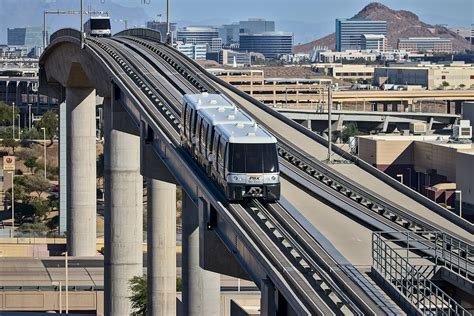
Do you need a rental car in Phoenix? For many Arizona trips, having a car makes getting around easier, but not every visitor needs one.
If you are staying in Downtown Phoenix and spending most of your trip downtown, near the light rail, or in nearby Tempe, you can often manage without renting a car. If you are staying in Scottsdale, Glendale, Avondale, Surprise or another part of the West Valley, or you plan to hike, attend Spring Training games at several stadiums, or take day trips outside Phoenix, having a car becomes much more useful.
The right answer depends less on Phoenix itself than on where you are staying and what you plan to do each day.
If you have not booked accommodation yet, compare Phoenix vs. Scottsdale: Where Should You Stay on Your Arizona Trip? before deciding whether you need a car. Choosing your location first can prevent you from paying for transportation you do not need.
If you are flying into Arizona and still comparing airfare, this is also a natural point to compare flights to Phoenix Sky Harbor International Airport (PHX) for your travel dates.
Use this table as a starting point.
| Your Phoenix trip | Is a rental car useful? |
|---|---|
| Downtown Phoenix weekend | Often unnecessary |
| Downtown Phoenix + Tempe | Often unnecessary |
| Old Town Scottsdale-focused trip | Possibly unnecessary |
| Scottsdale resort stay | Depends on itinerary |
| West Phoenix stay | Usually useful |
| Glendale / State Farm Stadium trip | Often useful |
| Avondale stay | Usually useful |
| Surprise stay | Usually useful |
| Multiple Spring Training stadiums | Usually useful |
| Desert hiking trip | Usually useful |
| Phoenix + Sedona | Yes |
| Phoenix + Grand Canyon | Yes |
| Arizona road trip | Yes |
| Resort trip with few excursions | Often unnecessary |
There are exceptions to every row. A family of five, for example, may reach a different conclusion from a solo traveler following the same itinerary.
Greater Phoenix is spread across multiple cities rather than concentrated around one compact visitor district.
Downtown Phoenix, Tempe, Scottsdale, Glendale, Mesa, Avondale and Surprise can all appear on a single visitor’s itinerary. The distance between those destinations changes the transportation calculation quickly.
Valley Metro Rail serves parts of Phoenix, Tempe and Mesa, but it does not reach every major visitor destination. Scottsdale has its own fare-free trolley routes plus regional bus connections, but no Valley Metro Rail line currently runs through Old Town Scottsdale.
The West Valley presents another challenge. State Farm Stadium is in Glendale, while several Spring Training stadiums are distributed across Glendale, Goodyear, Peoria, Surprise and Phoenix.
That is why the question is not simply, “Does Phoenix have public transportation?”
It does.
The better question is: Does public transportation serve the places on your particular itinerary efficiently?

There are several types of trips where going without a rental car can work well.
Downtown Phoenix is one of the easiest areas for a visitor to navigate without a car.
Valley Metro Rail serves downtown and runs near destinations including the Phoenix Convention Center, Chase Field, Footprint Center and Arizona Science Center. The rail line also connects downtown with Tempe and Mesa.
If your itinerary consists primarily of:
renting a car may add parking costs without providing much benefit.
Downtown Phoenix also has metered street parking. City-operated meters are currently enforced from 8 a.m. to 10 p.m. every day, including weekends and holidays.
For a short downtown trip, light rail plus occasional rideshare can be simpler than keeping a vehicle parked for most of the visit.
A well-located accommodation can change the entire transportation equation.
Valley Metro Rail connects northwest Phoenix with Downtown Phoenix, Tempe and Mesa. Visitors staying near a station can reach several major destinations without driving.
That works particularly well when your plans are concentrated along the rail corridor.
It works much less well when most of your destinations require another bus, long walk or rideshare after leaving the train.
Scottsdale is an interesting case because it does not have Valley Metro Rail running through Old Town.
However, a visitor staying directly in Old Town Scottsdale may still be able to skip the rental car.
Restaurants, galleries, nightlife and shopping are concentrated enough that walking can cover part of the trip, while Scottsdale operates fare-free trolley routes and rideshare can handle occasional trips farther away.
This strategy becomes less attractive if you are staying in North Scottsdale or planning daily excursions across the metro area.
A resort-centered trip may not require a car at all.
If the plan is primarily:
airport transportation and a few rideshare trips may cost less and require less effort than renting and parking a car for the entire stay.
Before deciding, check whether your accommodation offers a local shuttle.
For many visitors, the calculation moves quickly in the other direction.
If you are staying in Avondale, Surprise, parts of Glendale or West Phoenix, a car generally provides substantially more flexibility.
Public transportation exists in the West Valley, including bus routes and park-and-ride facilities, but visitor destinations are spread across a large area.
This is particularly relevant to HighVoltageArea guests because current furnished-rental inventory includes Phoenix, Avondale and Surprise.
If you are comparing a West Valley furnished rental with a centrally located hotel, include transportation in the decision. A larger rental may work well for your group, but you should understand how you will reach the places you intend to visit.
Travelers staying in Phoenix or the West Valley can compare furnished rental options based on location, amenities, and proximity to their planned activities. Checking driving distances before booking can help reduce daily travel time.
A car becomes particularly useful during Cactus League season.
The league’s stadiums are spread across Greater Phoenix. If your trip includes games at Surprise Stadium, Camelback Ranch, Goodyear Ballpark and Peoria Sports Complex, trying to connect those locations entirely by transit can consume a significant part of the day.
A visitor attending one game near their accommodation may not need a car.
A visitor following several teams around the Valley probably will.
Our Where to Stay for Arizona Spring Training: Best Cities, Stadiums & Rentals can help you choose a base according to the teams and stadiums on your schedule.
A car is useful for many Phoenix-area hiking itineraries because trailheads do not necessarily line up with the rail network.
If Camelback Mountain, South Mountain or other desert recreation is central to the trip, compare the trailhead location with your accommodation before deciding to go car-free.
Do not assume that a mountain visible from your hotel is easy to reach without driving.
Phoenix hiking conditions vary significantly by season, with extreme summer heat making early starts, adequate hydration, and careful route selection especially important. Packing for Phoenix’s seasonal weather should account for sun protection, suitable footwear, sufficient water, and the demands of the planned trail.
If your plans include Sedona, Prescott, Tucson, the Grand Canyon, or Route 66, having a vehicle gives you greater flexibility to explore destinations beyond Phoenix. Arizona’s scenic road-trip routes include destinations such as Flagstaff, Lake Havasu, and the Grand Canyon, where driving distances and overnight stops require advance planning.
Rideshare services may work well for local transportation in Phoenix, but they are generally impractical for longer, multi-destination trips. Renting a car is optional for some Phoenix-only visits but often the more practical choice when exploring other parts of Arizona.
Phoenix Sky Harbor International Airport has several ground-transportation options, so you do not need to rent a car simply because you are flying into PHX.
The PHX Sky Train is free and operates 24 hours a day.
It connects:
This last connection is particularly useful if you are staying near the light rail.
The airport reports that Sky Train service is more frequent during the day, with reduced frequency possible overnight because of maintenance.
For current airport connections, check the official PHX Sky Train information.
The light rail does not run directly underneath the airport terminals.
Instead, take the free PHX Sky Train to the 44th Street/Washington station, where you can connect to Valley Metro Rail.
This works particularly well for destinations along the rail corridor, including Downtown Phoenix and Tempe.
Valley Metro’s current standard fare is $2 per ride, while its Smart Fare system caps regular-route spending at $4 per day when using the qualifying fare system.
For a solo traveler staying downtown, this can make the airport-to-accommodation trip substantially different from the usual assumption that a taxi or rental car is required.
Rideshare is available at PHX.
The airport currently designates pickup areas at Terminals 3 and 4, as well as the 24th Street and 44th Street Sky Train stations and Rental Car Center.
Uber and Lyft are among the services available, and Waymo currently offers autonomous curbside pickup and drop-off at Terminal 3 and Terminal 4 rideshare locations.
Rideshare makes particular sense when:
Prices vary according to demand, destination and timing, so check the app rather than relying on a fixed estimate from an old travel article.
 Light Rail vs. Rideshare vs. Rental Car
There is no universally cheapest choice because party size and itinerary matter.
| Option | Works well for | Main limitation |
|---|---|---|
| Valley Metro Rail | Downtown, Tempe, destinations along rail | Limited geographic coverage |
| Bus | Specific local routes | Can require more time and transfers |
| Scottsdale Trolley | Trips within its Scottsdale service area | Limited to specific routes |
| Rideshare | Occasional point-to-point trips | Cost adds up with frequent long rides |
| Rental car | West Valley, hiking, multiple destinations, road trips | Rental, fuel and parking costs |
| Walking | Downtown districts and parts of Old Town | Heat, distance and disconnected destinations |
A common mistake is comparing only the daily rental rate with one rideshare fare.
Instead, compare the total trip.
If you rent a car, consider:
If you skip the car, consider:
Not always.
If you stay in Old Town Scottsdale and focus your trip there, walking, trolley service and rideshare may be enough.
If you stay farther north or plan to visit hiking areas, Phoenix attractions, Spring Training stadiums or several golf courses, having a car becomes more useful.
This is one reason accommodation and transportation should be planned together.
Someone choosing between Scottsdale and Phoenix should not compare room rates alone. Location can change what you spend on transportation throughout the trip.
Phoenix and Scottsdale offer different experiences in terms of accommodations, dining, nightlife, and transportation. Choosing where to stay in Phoenix or Scottsdale depends on your budget, planned activities, and preferred location.
If a hotel fits your trip better than a furnished rental, compare Phoenix and Scottsdale hotel options based on the neighborhoods and transportation choices you expect to use most.
Not necessarily for a single event, but it depends on where you stay.
State Farm Stadium is in Glendale’s Sports and Entertainment District near Loop 101. It is not directly served by Valley Metro Rail.
Rideshare is a viable option. State Farm Stadium currently designates the Black Lot south of the stadium as its preferred rideshare drop-off and pickup location.
Driving is another option, but event parking and traffic need to be part of the plan. The stadium recommends purchasing parking in advance for major events.
If State Farm Stadium is the main reason for your visit, staying closer to Glendale can reduce the amount of cross-metro travel required.
Visitors attending events at State Farm Stadium can find accommodation options in Glendale and West Phoenix, with differences in location, price, and access to the venue. Choosing where to stay near State Farm Stadium can help reduce travel time on event days.
Before attending an event, check the State Farm Stadium bag policy to understand which bags are permitted and avoid delays at security.
Parking difficulty varies significantly by location and event.
Downtown Phoenix has city-operated meters, garages and private lots. City parking meters currently cost $1.50 per hour and are enforced from 8 a.m. to 10 p.m. daily. Most metered locations have time limits, so check the sign rather than assuming you can leave a vehicle all day.
At large sporting events and concerts, parking is a separate consideration.
State Farm Stadium, for example, recommends advance parking purchases. Spring Training stadiums maintain their own parking arrangements.
Meanwhile, many suburban shopping areas and other destinations have surface parking.
The question is therefore not “Is parking difficult in Phoenix?”
It is where are you going, and on what day?
A family may reach a different transportation decision from a solo traveler.
Four rideshare passengers can sometimes make rideshare economical, but families traveling with young children need to account for car-seat requirements.
Phoenix Sky Harbor specifically advises that the parent or guardian is responsible for ensuring required child seats or booster seats are available when using rideshare unless arrangements are made with a provider that can supply one.
For a family planning multiple attractions across several days, carrying and repeatedly installing a child seat can make a rental vehicle more practical.
For a family staying at a resort and making only one or two excursions, the opposite may be true.
Do the calculation around your actual trip.
Transportation becomes more important as the length of your stay increases.
Someone spending one weekend downtown can tolerate an occasional rideshare fare.
Someone staying six weeks for work may need to commute every day, shop for groceries and make regular trips that are nowhere near the light rail.
Before booking longer-term accommodation, check:
For stays of 30 days or longer, factors such as utilities, parking, internet access, laundry facilities, and lease terms can affect the overall cost and convenience. Understanding what to look for when booking furnished housing in Arizona can help travelers compare properties and avoid unexpected expenses.
Yes, and this is overlooked surprisingly often.
You do not have to choose between driving everywhere and never using a car.
Valley Metro operates park-and-ride locations throughout the metro area, including locations in Phoenix, Glendale, Avondale, Surprise, Scottsdale, Goodyear, Peoria and other communities.
Parking at Valley Metro park-and-rides is generally free for daily transit use, but overnight parking is restricted.
This can be useful if you have a car at your rental but would rather use transit for a downtown event instead of dealing with downtown traffic and parking.
It can also make sense to use rideshare for an evening when nobody in the group wants to drive.
A car gives you options. It does not require you to use it for every trip.
Open your itinerary and mark every place you expect to visit. Then use the questions below to decide whether having a car makes sense for your trip.
| Your Travel Plans | Do You Need a Car? |
|---|---|
| Most destinations are along Valley Metro Rail | Probably not. Public transit may cover most of your trip. |
| Most destinations are within walking distance of your accommodation | Probably not every day. Rideshare can cover occasional longer trips. |
| You are staying in the West Valley and traveling around Greater Phoenix | Usually. A car provides more flexibility between spread-out destinations. |
| You are visiting several Spring Training stadiums | Usually. Cactus League stadiums are located across Greater Phoenix. |
| You are planning several desert hikes | Often. Many trailheads are easier to reach by car. |
| You are visiting Sedona, the Grand Canyon or traveling Route 66 | Yes. Plan on having access to a vehicle. |
| You are spending most of the trip at one resort | Probably not. Rideshare and available hotel transportation may be sufficient. |
The more your itinerary spreads beyond Downtown Phoenix and the light rail corridor, the more useful having a car becomes.
Yes. A car-free Phoenix trip can work well if you stay Downtown or near Valley Metro Rail and concentrate your activities along the transit corridor. Rideshare can cover occasional trips to destinations that are not easily reached by rail.
It can be useful for the right itinerary. Valley Metro Rail serves Downtown Phoenix, Tempe, Mesa and other parts of Phoenix, but it does not cover the entire metro area. Visitors staying far from the rail corridor may need buses, rideshare or a car.
Valley Metro Rail does not enter the airport terminals. The free PHX Sky Train connects Terminals 3 and 4 with the Valley Metro Rail station at 44th Street and Washington.
Yes. The PHX Sky Train is free and operates 24 hours a day.
Not necessarily. Visitors staying in or near Old Town Scottsdale and keeping most activities nearby may be able to rely on walking, local transportation and rideshare. A car becomes more useful for North Scottsdale, hiking, golf, Phoenix attractions and trips around the wider metro area.
A car is usually useful if you plan to attend games at several Cactus League stadiums. The stadiums are spread across Greater Phoenix rather than concentrated in a single district.
No. Rideshare is available, and State Farm Stadium designates an event-day rideshare area. A car can still be useful if you are staying elsewhere in the West Valley or combining the event with other destinations.
It depends on where you stay and what you plan to do. A car may be unnecessary for a Downtown Phoenix weekend. It becomes more useful if your itinerary includes Scottsdale, desert hiking, Glendale or several destinations spread across the metro area.
You do not automatically need a rental car in Phoenix.
A Downtown Phoenix visitor using light rail and rideshare may have little reason to pay for a parked vehicle. A traveler staying in Surprise, attending several Spring Training games and taking a Sedona day trip faces a completely different transportation problem.
Choose your accommodation first, map the places you actually plan to visit, and then compare the transportation options.
For trips involving Phoenix, Avondale, or Surprise, furnished rental options may provide a practical alternative to hotels, particularly for longer stays. Compare property locations, amenities, total costs, and driving distances to your planned destinations before booking.

Compare Sedona hotels and vacation rentals using the full price, sleeping arrangements, location, parking and cancellation terms before booking. Read More

Staying near 85037, Westgate or State Farm Stadium? Use this quick guide to find nearby food, groceries, pharmacies, shopping, entertainment, fuel, car... Read More

Arizona rewards travelers who leave enough room in the itinerary for the road itself. A drive that begins among Phoenix’s saguaros can... Read More
Compare 30-, 60- and 90-night commitments,... Read More

Compare furnished houses and hotels for... Read More
Plan data center contractor housing in... Read More

Choose contractor housing near the right... Read More

Compare furnished housing near TSMC Phoenix... Read More

Compare Sedona hotels and vacation rentals... Read More
HighVoltageArea may earn a commission when you book or purchase through our links. Learn more